
A trick or a treat?
That’s the question….
and the only topic for this week’s post.
Are we treated by our personal care products, or tricked into thinking these products are safe and beneficial? Please… take some time for yourself as well as your sisters, your daughters, your friends, (and their husbands, sons, fathers and friends) to learn what is a treat and what’s a trick.

Grab Bag Trick or Treat:
I may sound like a broken record, but I hope it’s a record you’re willing to listen to.
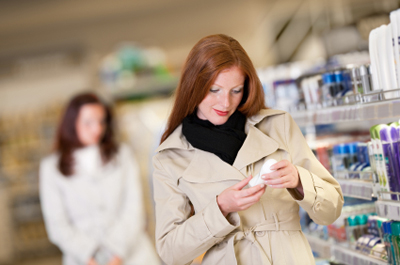
PLEASE CHECK YOUR PERSONAL CARE PRODUCT INGREDIENTS. Read the labels. If your product mentions any of the items on the following list, I would look into buying a replacement that does not. While this seems like a hassle, the potential downside of daily exposure could be a MUCH bigger hassle, so do yourself the favor and make the change if you need to. Why? Here’s just one reason:
When only 1 in 10 cases of breast cancer are linked to family history, when so many more women are diagnosed today than even 20 years ago, and when science implicates our environment in rising rates of the disease, we have to ask hard questions about the toxic chemicals we’re exposed to daily.
Parabens are compounds widely used as antimicrobial preservatives in cosmetics products, including underarm deodorants. They’re also estrogen mimickers, and have been found in breast tumors.
A new study from California Pacific Medical Center in San Francisco found that methylparaben (as well as the chemical BPA, used in food can linings and other applications) can not only cause healthy breast cells to behave like cancer cells, but also interfere with the effectiveness of tamoxifen, an important breast cancer drug.
~Campaign for Safe Cosmetics
The list below has been compiled by TeensTurningGreen.org, a movement from the next generation to clean up cosmetic exposure. Let’s be at least as smart as the kids 🙂
I have also made this list available as a printable download [CLICK HERE], and it can also be found in the right column on every blog post here under Information.
Print and take this into your bathroom and get to know what you’re putting on your skin.
In that chart, I have researched each and added the 0-10 ratings from the Environmental Working Group’s Cosmetic Database for the chemicals below. Some are curiously low (better rated)… I have emailed Teens Turning Green to ask for rationale on their inclusion, but have yet to hear a reply. Nonetheless, this provides a list of ingredients of which you should be aware.
For any product you question, go to Cosmeticsdatabase.com and enter your product name. If it is in the database, it will give you a score, the ingredients, the levels of concern, the research (or lack thereof) etc.
DIRTY THIRTY
1. CHEMICAL: ALUMINUM ZIRCONIUM and OTHER ALUMINUM COMPOUNDS
Function: Used to control sweat and odor in the underarms by slowing down the production of sweat. Present in: Antiperspirants. Banned by EU. Health concerns: Linked to the development of Alzheimer’s Disease; may be linked to breast cancer; probable neurotoxin; possible nervous system, respiratory, and developmental toxin.
2. CHEMICAL: BENZYL ACETATE (?… LK has questions on this)
Function: Solvent; hidden within “fragrance.” Present in: Many cosmetics and personal care products, read labels. Health concerns: Linked to pancreatic cancer; easily absorbs into skin causing quick systemic effects; animal studies show hyperemia of the lungs; possible gastrointestinal, liver, and respiratory toxicant; possible neurotoxin.
3. CHEMICAL: BENZALKONIUM CHLORIDE and BENZETHONIUM CHLORIDE
Function: Antimicrobial agent, deodorant, preservative, biocide. Present in: Moisturizer, sunscreen, facial cleanser, acne treatment, pain relief. Restricted in Japan and Canada. Health concerns: Immune system toxicant; may trigger asthma; possible organ system toxicant; animal studies show endocrine disruption and brain, nervous system, respiratory and blood effects; possible carcinogen.
4. CHEMICAL: BRONOPOL
Function: Preservative. Present in: Moisturizer, body wash, facial cleanser, makeup remover, anti-aging products. Restricted in Canada. Health concerns: Immune system toxicant; lung and skin toxicant; animal studies show endocrine disruption and gastrointestinal, brain and nervous system effects; irritant.
5. CHEMICAL: BUTYL ACETATE (?… LK has questions on this)
Function: Solvent in polishes and treatments, prevents chipping. Present in: Nail polish and nail treatments. Health concerns: Repeated exposure causes skin dryness and cracking; vapors may induce drowsiness or dizziness; flammable.
6. CHEMICAL: BUTYLATED HYDROXYTOLUENE (BHT)/ BUTYLATED HYDROXYANISOLE (BHA)
Function: Anti-Oxidant; slows down the rate at which product ingredients change in color. Present in: Many cosmetics and personal care products, read labels. Banned by EU. Health Concerns: Immune system toxicant; endocrine disruptor; probable human carcinogen; animal studies show brain, liver, neurotoxin, reproductive and respiratory toxicant.
7. CHEMICAL: ETHOXYLATED INGREDIENTS:CETEARETH/PEG COMPOUNDS
Function: Surfactant, emulsifying or cleansing agent, penetration enhancer. Present in: Many cosmetics and personal care products, read labels. Health concerns: Animal studies show brain, nervous system and sense organ effects; irritant; reproductive and skin toxin, alters skin structure, allowing other chemicals to penetrate deep into the skin and increasing the amounts of other chemicals that reach the bloodstream; may contain harmful impurities.
8. CHEMICAL: COAL TAR
Function: Controls itching and eczema, softens and promotes the dissolution of hard, scaly, rough skin, also used in hair dyes. Present in: Shampoo and Hair Dye. Banned by Canada and EU. Health concerns: Known human carcinogen; skin and respiratory toxicant.
9. CHEMICAL: COCAMIDE DEA/ LAURAMIDE DEA
Function: used as foaming agents in shampoos and bath products, and as emulsifying agents in cosmetics; foaming and cleansing agents for “mouth feel.” Present in: Many cosmetics and personal care products, read labels. Health concerns: Human immune system toxicant; forms carcinogenic nitrosamine compounds if mixed with nitrosating agents; animal studies show sense organ effects and skin irritation; may contain harmful impurities.
10. CHEMICAL: DIETHANOLAMINE (DEA)
Function: pH adjuster. Present in: Sunscreen, moisturizer, foundation, hair color. Health concerns: Skin and immune system toxicant; possible carcinogen; irritant; animal studies show endocrine disruption and neuro developmental, brain and nervous system effects; may trigger asthma.
11. CHEMICAL: ETHYL ACETATE
Function: Solvent. Present in: Nail polish products, mascara, tooth whitening, perfume. Health concerns: Probable neurotoxin; possible nervous system toxin; possible carcinogen; irritant; highly flammable
12. CHEMICAL: FORMALDEHYDE
Function: Disinfectant, germicide, fungicide, preservative. Present in: Deodorant, nail polish, soap, shampoo, shaving cream. Restricted in Canada. Banned by EU. Health concerns: Immune system, repertory, hematological, and skin toxicant; probable carcinogen and cardiovascular toxicant; can damage DNA; may trigger asthma; animal studies show sense organ, brain, and nervous system effects; possible human development toxicant.
13. CHEMICAL: FORMALDEHYDE-RELEASING PRESERVATIVES ( QUATERNIUM-15, DMDM HYDANTOIN, DIAZOLIDINYL UREA AND IMIDAZOLIDINYL UREA, DEA, MEA, TEA)
Function: Anti-microbial preservative. Present in: Many cosmetics and personal care products, read labels. Health concerns: Forms nitrosamines when in the presence of amines such as MEA, DEA and TEA; probable immune system, blood, cardiovascular and skin toxicant; possible carcinogen; animal studies show endocrine disruption, nervous system and organ system effects; may contain harmful impurities.
14. CHEMICAL: FRAGRANCE (PARFUM)
Function: Deodorant, masking, perfuming Present in: Many cosmetics and personal care products, read labels. Health concerns: Immune system toxicant; possible neurotoxin; can contain between 10 and 300 different chemicals, many of which have never been tested for safety; see phthalates. Labeling can be confusing. If uncertain, check with manufacture.
15. CHEMICAL: HYDROQUINONE
Function: Antioxidant, fragrance ingredient, skin bleaching agent, hair colorant. Present in: Skin fading/lightener, facial moisturizer, anti-aging, sunscreen, hair color, facial cleanser and moisturizer. Restricted in Canada. Health concerns: Immune system and respiratory toxicant; probable neurotoxin; possible carcinogen; irritant; animal studies show endocrine disruption.
16. CHEMICAL: IODOPROPYNYL BUTYLCARBAMATE
Function: Preservative. Present in: Many cosmetics and personal care products, read labels. Restricted in Japan. Health concerns: Human toxicant; possible liver immune system toxin; allergenic.
17. CHEMICAL: LEAD and LEAD COMPOUNDS
Function: Colorant. Present in: Hair dye, hair products. Traces found in some red lipstick. Restricted in Canada. Health concerns: Probable carcinogen; developmental, respiratory, gastrointestinal and reproductive toxicant; reduced fertility; animal studies show metabolic, brain and nervous system effects; suspected nano-scale ingredients with potential to absorb into the skin
18. CHEMICAL: METHYLISOTHIAZOLINONE (MI/MCI) and METHYLCHLOROISOTHAIZOLINONE
Function: Preservative. Present in: Many cosmetics and personal care products, read labels. Restricted in Canada and Japan. Health concerns: Immune system toxicant; animal studies show restricted growth of the axons and dendrites of immature nerves, neurotoxicity and positive mutation results; can lead to a malfunction in the way neurons communicate with each other; especially detrimental to a developing nervous system.
19. CHEMICAL: Oxybenzone (BENZPENONE-3)
Function: Sunscreen Agent; Ultraviolet Light Absorber, UV Absorber; UV Filter. Present in: Sunscreens and makeup Health concerns: Associated with photoallergic reactions and immunotoxicity. Probable carcinogen and endocrine disrupter; Enhanced skin absorption and bioaccumulates to dangerous levels; biochemical cellular changes. Developmental and reproductive toxicity.
20. CHEMICAL: PARABENS (METHYL, ETHYL, PROPYL AND BUTYL)
Function: Preservative and anti-bacterial agent. Present in: Many cosmetics and personal care products, read labels. Health concerns: May alter hormone levels, possibly increasing risk for certain types of cancer, impaired fertility, or alteration of the development of a fetus or young child; studies have found parabens in breast tumors; probable skin toxicant; animal studies show brain and nervous system effects.
21. CHEMICAL: PETROLATUM (PETROLEUM) (?… LK has questions on this, although the fact that it is a petroleum product has me avoiding it and using Egyptian Magic, which is MUCH better for all moisturizing.)
Function: Forms barrier on skin; makes lipsticks shine and creams smoother; inexpensive skin softener. Present in: Many cosmetics and personal care products, read labels. Banned by EU (unless the source can be proven and the product shown to be pure.) Health concerns: May be contaminated through processing with impurities which are linked to cancer or other significant health problems.
22. CHEMICAL: PHTHALATES (DIBUTYL PHTHALATES)
Function: Fragrance ingredient, plasticizer, solvent. Present in: Many cosmetics and personal care products, read labels. Banned in EU. Health concerns: Immune system toxicant; developmental and reproductive toxin; respiratory toxicant; probable neurotoxin; possible carcinogen and endocrine disruptor; bio-accumulative in wildlife.
23. CHEMICAL: P-PHENYLENEDIAMINE (PPD)
Function: Hair colorant. Present in: Hair dye, shampoo, hair spray. Restricted in Canada. Health concerns: Immune system and respiratory toxicant; probable neurotoxin; eczema; possible nervous system, skin, kidney and liver toxicant; irritant; may trigger asthma and gastritis; shown to cause cancer in animal studies.
24. CHEMICAL: PROPYLENE GLYCOL (?… LK has questions on this)
Function: Solvent, penetration enhancer, conditions skin, controls viscosity and keeps products from melting in high or freezing when it is cold. Present in: Many cosmetics and personal care products, read labels. Health concerns: Alters skin structure, allowing other chemicals to penetrate deep into the skin and increasing the amounts of other chemicals that reach the bloodstream; animal studies show reproductive effects, positive mutation results, brain and nervous system effects and endocrine disruption.
25. CHEMICAL: SODIUM LAURETH SULFATE
Function: Surfactant, penetration enhancer. Present in: Many cosmetics and personal care products, read labels. Health concerns: Alters skin structure, allowing other chemicals to penetrate deep into the skin, increasing the amounts of other chemicals that reach the bloodstream; Irritant; animal studies show sense organ effects.
26. CHEMICAL: TALC (?… LK has questions on this… it is a cause for concern regarding inhalation, but Cosmetics Database only rates it a 2, so not sure why it isn’t rated more dangerous there. In any case, it can be easily avoided.)
Function: Absorbs moisture, anti-caking agent, bulking agent. Present in: Blush, powder, eye shadow, baby powder, deodorant. Health concerns: Carcinogen; link between talcum powder and ovarian cancer; talc particles are similar to asbestos particles and data suggests that it can cause tumors in the lungs; probable respiratory toxin;
27. CHEMICAL: TOLUENE
Function: Antioxidant, solvent to improve adhesion and gloss. Present in: Nail polish and hair dye. Health concerns: Liver toxin; probable developmental, nervous system and respiratory toxin; possible cardiovascular, musculoskeletal, renal and sense organ toxin; possible carcinogen and reproductive toxin; irritant; highly flammable;
28. CHEMICAL: TRICLOSAN
Function: Anti-bacterial agent, deodorant, preservative, biocide. Reduces and controls bacterial contamination on the hands and on treated products. Present in: Antibacterial soaps, deodorants, toothpastes, mouthwashes, face wash and cleaning supplies. Restricted in Japan and Canada. Health concerns: Probable endocrine disrupter and carcinogen; easily bio-accumulates to dangerous levels; irritant; animal studies show reproductive and other broad systematic effects; potentially contaminated with impurities linked to cancer and other significant health problems; studies have shown it can actually induce cell death when used in mouth washes.
29. CHEMICAL: TREITHANOLAMINE (TEA)
Function: Fragrance ingredient, pH adjuster, surfactant. Present in: Hand & body lotion, shaving creams, soap, shampoo, bath powders and moisturizer. Health concerns: Immune system toxicant; possible carcinogen; animal studies show endocrine disruption; may trigger asthma; forms carcinogenic nitrosamine compounds if mixed with nitrosating agents.
30. CHEMICAL: 1,4 DIOXANE
Function: Penetration enhancer Present in: Body lotion, moisturizers, sunless tanning products, baby soap, anti-aging products. Health concerns: EPA classifies it as a probable carcinogen found in 46 of 100 personal care products marketed as organic or natural, and the National Toxicology Program considers it a known animal carcinogen. Acute (short-term) inhalation exposure to high levels of 1,4 dioxane has caused vertigo, drowsiness, headache, anorexia and irritation of the eyes, nose, throat and lungs of humans. It may also irritate the skin


 LK's Grab Bag